About PROBE
Patient Reported Outcomes, Burdens and Experiences (PROBE) transforms the experiences of people living with bleeding disorders into meaningful evidence for research, care and advocacy.
Patient experience at scale
A growing international evidence base built through patient participation, research and collaboration.
Participants
Countries
Languages
Evidence built around lived experience
PROBE is an international patient-reported outcomes research initiative designed to understand how bleeding disorders affect health, treatment, function and everyday life.
It collects standardized information directly from participants and transforms those experiences into data that can be analyzed across populations, countries and over time.
By placing patient experience alongside clinical evidence, PROBE helps make outcomes that matter to patients visible in research, healthcare discussions and evidence-based advocacy.
Turning lived experience into meaningful evidence
PROBE provides a standardized way to capture patient experience, understand patterns and support the use of patient-reported evidence.
Capture
Collect patient-reported information about health, treatment, pain, function, quality of life and everyday experience.
Understand
Transform standardized patient-reported information into evidence that can be analyzed, compared and interpreted.
Advocate
Use evidence to support patient organizations, researchers and decision-makers seeking better outcomes and access to care.
More than a clinical snapshot
PROBE captures multiple dimensions of health and everyday life to provide a broader picture of patient experience.
01
Health & Treatment
Bleeding disorder characteristics, treatment history, bleeding experiences and other health conditions.
02
Pain
Acute and chronic pain, pain occurrence, interference with activities and use of pain medication.
03
Daily Living
How health affects everyday activities, independence, participation and ability to perform daily tasks.
04
Mobility & Joints
Mobility aids, joint range of motion, target joints and history of joint procedures.
05
Work & Education
Education, employment and the impact of health on school and working life.
06
Quality of Life
Patient-reported health status together with standardized quality-of-life measurement, including EQ-5D-5L.
PROBE Investigators
PROBE brings together international expertise in patient-reported outcomes, bleeding disorders, research methodology, data science, health policy and patient advocacy.

Mark W. Skinner, JD
President/CEO, Institute for Policy Advancement, Ltd.
United States
Mark Skinner is a global health-policy and patient-outcomes leader whose work connects lived experience, patient engagement, evidence generation and health-system decision-making. A founding leader of PROBE, he has held major leadership roles throughout the international bleeding disorders community and continues to advance patient-centered outcomes research, access and evidence-based advocacy.
Patient Outcomes
Health Policy
Global Advocacy
PROBE Leadership

Randall G. Curtis, MBA, PMP
Factor VIII Computing
United States
Randall Curtis combines decades of hemophilia outcomes research with extensive experience in data systems, information security and project management. A foundational PROBE investigator, he has been central to PROBE data architecture, longitudinal technical development and research examining health utilization, quality of life and real-world outcomes.
Data Systems
Data Governance
Research Operations
Real-World Outcomes

Alfonso Iorio, MD, PhD, FRCPC
Professor and Chair, Health Research Methods, Evidence, and Impact, McMaster University
Canada
Alfonso Iorio is a clinician-methodologist and hemophilia researcher with expertise in clinical epidemiology, evidence synthesis, registries, individualized treatment and knowledge translation. As a foundational PROBE investigator and senior methodological contributor, he has supported PROBE validation, test-retest, cross-cultural implementation and digital research.
Clinical Epidemiology
Research Methods
Registries
Evidence Synthesis

Brian O’Mahony
Chief Executive, Irish Haemophilia Society
Ireland
Brian O’Mahony is an internationally recognized bleeding-disorders advocate, educator, author and health-policy leader. A former President of both the World Federation of Hemophilia and European Haemophilia Consortium, his work spans treatment access, procurement, blood safety, health economics, organizational development and patient-centered research.
Patient Leadership
Treatment Access
Health Economics
Advocacy

David Page, BEd
National Executive Director, Canadian Hemophilia Society
Canada
David Page has decades of experience in patient-organization leadership, education, blood-product safety and treatment access. A foundational PROBE investigator, he connects patient-reported research with education, advocacy, clinical research and practical improvements in bleeding-disorder care.
Patient Organizations
Education
Blood Safety
Patient Outcomes

Baiba M. Ziemele, BSc, MBA
President, Latvia Hemophilia Society; Chairwoman, Latvian Network of Patient Organizations
Latvia
Baiba Ziemele is a patient advocate and research contributor focused on bleeding disorders, rare-disease policy, access to care and strengthening the patient voice. Her work contributes important patient and organizational perspectives to PROBE research involving VWD, women with bleeding disorders and international implementation.
Rare-Disease Policy
VWD
Women & Bleeding Disorders
Patient Advocacy

Dawn Rotellini
Chief Operating Officer, National Bleeding Disorders Foundation
United States
Dawn Rotellini is a senior bleeding-disorders community and nonprofit leader with extensive experience in patient and caregiver engagement, advocacy and program implementation. Within PROBE, she contributes particularly to research involving women with bleeding disorders, VWD and expansion of patient-centered outcome measurement.
Community Leadership
Patient Engagement
WBD
VWD

Matthew Delaney
Government Relations Manager, National Bleeding Disorders Foundation
United States
Matthew Delaney is a public-policy professional and patient advocate whose work combines lived experience with state, federal and international bleeding-disorders policy. His PROBE contributions connect patient-important outcomes with advocacy, access, health policy and research involving VWD and broader bleeding-disorder populations.
Health Policy
Patient Access
Lived Experience
Advocacy
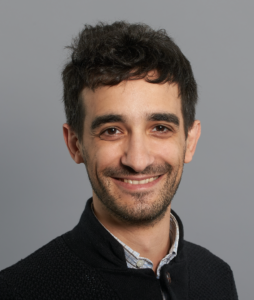
Federico Germini, MD, MSc, PhD
Assistant Professor, Humanitas University; Assistant Professor (Part-Time), McMaster University
Italy / Canada
Federico Germini is a physician and clinical researcher whose work spans patient-reported outcomes, digital health, clinical epidemiology, real-world data and evidence synthesis. He led mixed-methods development of the online PROBE survey and myPROBE app and has contributed to registry integration and multiple PROBE research programs.
Digital Health
Clinical Epidemiology
Real-World Data
Registry Integration

Naja Skouw-Rasmussen, MSc
Danish Haemophilia Society; Capital Region of Denmark
Denmark
Naja Skouw-Rasmussen is a patient advocate with extensive European bleeding-disorders leadership and particular expertise in women and girls with inherited bleeding disorders. Her research and advocacy experience supports PROBE’s work to include underrepresented populations and strengthen cross-cultural patient-centered research.
Women & Girls
European Advocacy
Survey Development
Patient-Centered Research
PROBE Research Team
The PROBE Research Team supports research operations, data management, study methodology, analysis, international engagement and implementation across the global PROBE network.

Alexandra Kucher, MSc
Senior Research Data Manager
Patient Outcome Research Group Ltd.
Alexandra Kucher manages PROBE research operations and data workflows across the international study network. Her work combines research data management and quality assurance with statistical analysis, Power BI visualization, survey design, UX research and digital research implementation.
Data Management
Statistical Analysis
Power BI
UX Research
Project Management

Elizabeth Clearfield, MHS
Senior Research Manager
Institute for Policy Advancement, Ltd.
Elizabeth Clearfield is a patient-centered outcomes researcher and methodologist specializing in study design, epidemiology, core outcome sets and Delphi consensus methods. Her work supports PROBE research design, new module development, VWD adaptation and multi-stakeholder research.
Study Design
Core Outcome Sets
Delphi Methods
Epidemiology
Patient Engagement

Fiona Brennan
Senior Engagement Manager
Institute for Policy Advancement, Ltd.
Fiona Brennan brings extensive patient and community engagement experience to PROBE. Her background includes psychology, Community Advisory Boards, youth leadership and organizational-health programs, supporting participant, patient-organization and stakeholder engagement across international PROBE initiatives.
Patient Engagement
Community Programs
Psychology
Stakeholder Facilitation
International Engagement
How PROBE is used
Patient-reported evidence can support different parts of the bleeding disorders community.
Make experience visible
Participation allows individual experiences to become part of a larger evidence base describing life with a bleeding disorder.
Strengthen advocacy
Patient-reported evidence can help organizations understand community priorities and support evidence-based advocacy.
Support research
PROBE can complement clinical information with standardized patient-reported outcomes in studies, registries and collaborative research.
Interactive evidence at your fingertips
PROBE transforms patient-reported data into interactive visualizations that support research, interpretation and advocacy.
Explore patterns across geography, diagnosis, treatment, pain, activities of daily living, quality of life and other dimensions of the PROBE dataset.
Simplify. Analyze. Advocate.
Turn standardized patient-reported information into evidence that can be explored, interpreted and communicated.
Frequently asked questions
Quick answers about PROBE, patient-reported outcomes and research use.
What does PROBE stand for?
PROBE stands for Patient Reported Outcomes, Burdens and Experiences. It uses information reported directly by participants to understand health, quality of life and experiences that matter to people living with bleeding disorders.
What is the main goal of PROBE?
PROBE generates standardized patient-reported evidence that can help patients, patient organizations, researchers and other stakeholders understand outcomes, treatment burden and experiences of care.
What information does PROBE collect?
PROBE collects information related to health and treatment, bleeding, pain, activities of daily living, mobility, joints, education, employment and quality of life. The questionnaire also incorporates EQ-5D-5L.
Why does PROBE include comparison participants?
Comparison information from people without bleeding disorders can help researchers understand how health and daily-life outcomes differ between people living with bleeding disorders and others within similar populations.
Can PROBE be used in research studies?
Yes. PROBE can support patient-centered outcome collection within research studies and complement clinical information with standardized patient-reported evidence.
Independent, investigator-led research
PROBE is an independent investigator-led research project developed to establish reliable and reproducible methods for collecting patient-reported outcomes, burdens and experiences.
Its research program supports comparisons across populations and countries, longitudinal analysis, digital data collection, registry integration and expansion into broader bleeding-disorder populations.
ClinicalTrials.gov
PROBE study registrations include:
Help strengthen the patient voice
Whether you participate, collaborate, conduct research or use PROBE evidence for advocacy, your involvement helps make patient experience visible.